In this article
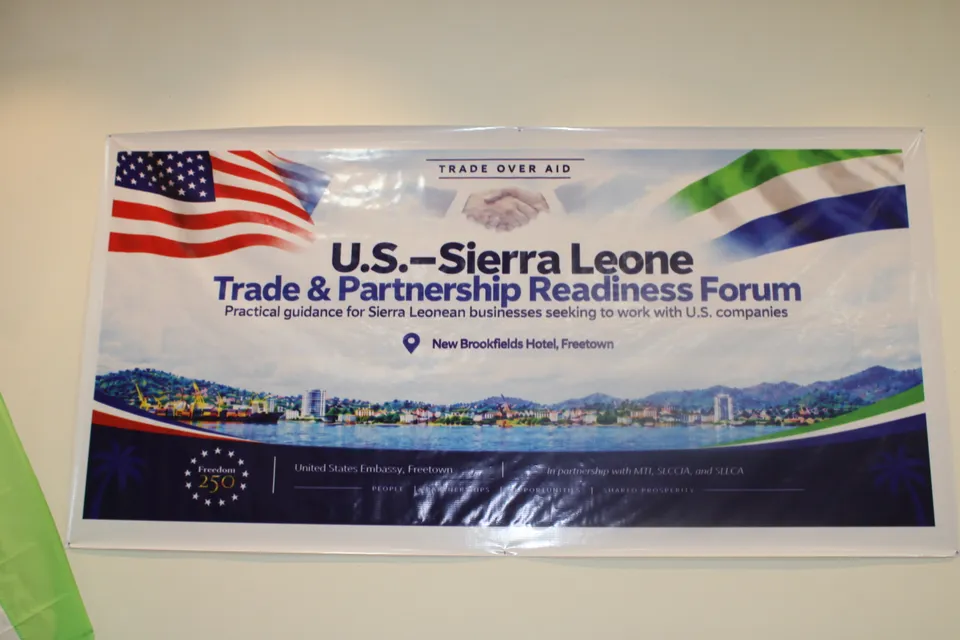
Above the American and Sierra Leonean flags on the forum banner were three words: Trade Over Aid.
For MeDomot, those words invite a practical question: what do we bring to the relationship?
There is value in knowing a market from the inside. In understanding how a business operates, where its systems fall short, and what its people need to make a new technology useful. There is value in engineers who can build, adapt and support that technology here.
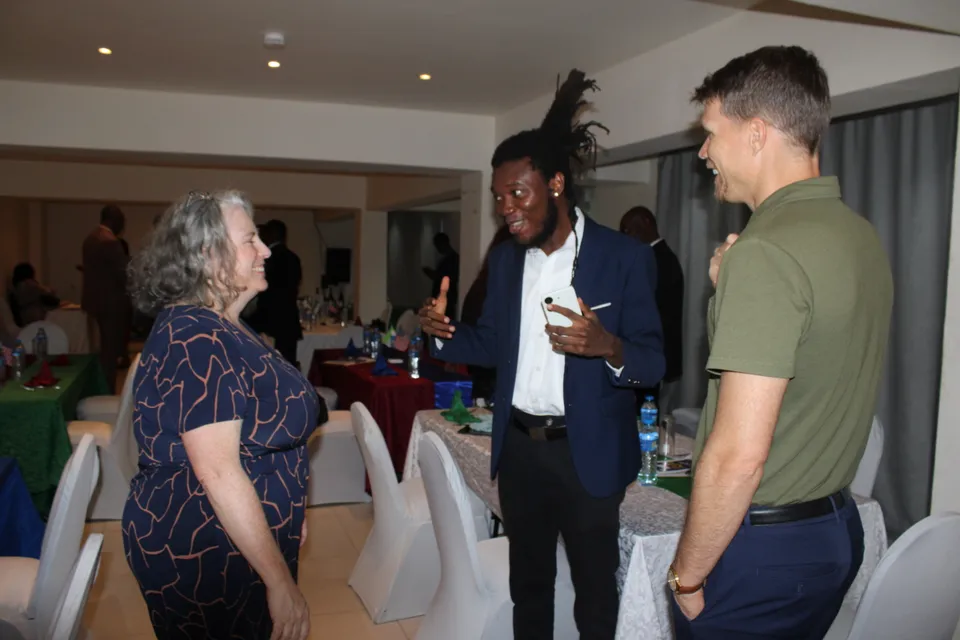
Across two days at New Brookfields Hotel, that question took different forms. At the business dinner, conversations moved through artificial intelligence and superintelligence, digital infrastructure, payments, local innovation and electricity. At the following day’s trade forum, our Founder & CEO, Joseph Jawah Kebbie, contributed experience from working with American technology and business partners, and delivering local solutions.
Together, the exchanges brought a larger picture into focus: the commercial possibilities ahead, the capabilities Sierra Leonean businesses already contribute, and the conditions that will help those businesses go further.
The questions around the table
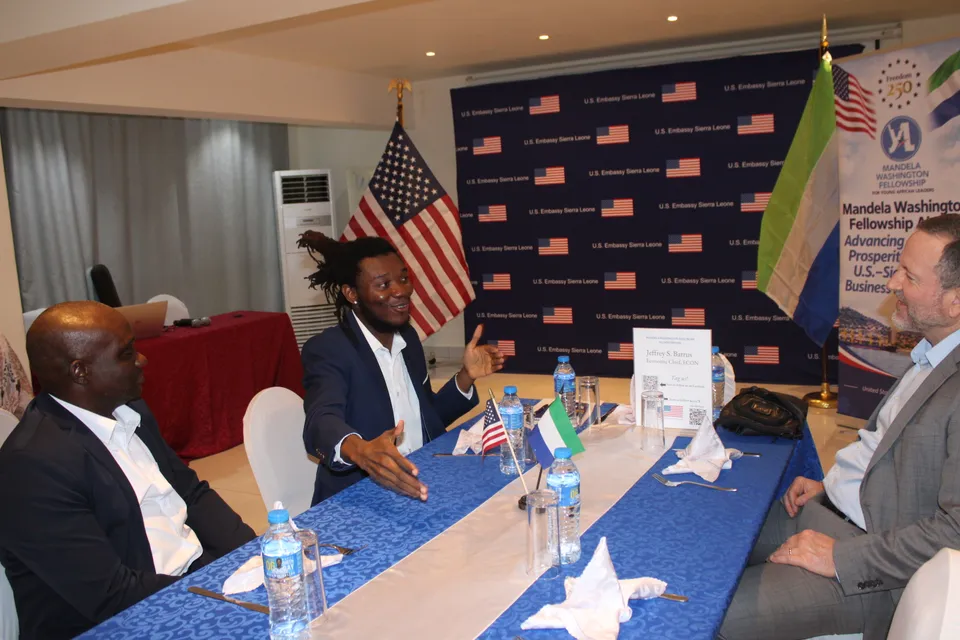
On September 23, 2026, the U.S. Embassy Freetown’s MWF/YALI Alumni Business Dinner brought together exchange alumni, entrepreneurs, Embassy Public Affairs and Economic/Commercial representatives, and the Millennium Challenge Corporation.
Joseph joined discussions about access to technology, AI, local innovation and stronger commercial relationships. One official raised the prospect of Sierra Leone developing its own AI models.
It was a question with several layers. Building technical capability involves people who can understand a problem, work with the available tools, evaluate results and keep learning. It also involves deciding which problems deserve that effort.
For MeDomot, these exchanges matter because they make room for local experience to inform a larger conversation. The people building businesses here have knowledge that can shape what comes next.
A business needs the lights to stay on
The evening also brought electricity into the discussion through MCC’s $480 million Sierra Leone compact, signed in 2024 and designed to improve access to affordable, reliable power.
Its relevance runs through the economy. A shop needs to preserve its stock. A workshop needs to run its equipment. A business needs its staff, systems and services to remain available.
Unreliable electricity enters all those calculations: operating costs, delivery times, investment decisions and the confidence to expand.
The compact carries hope for better conditions in which businesses can grow. Its intended results remain ahead, but the discussion placed infrastructure alongside entrepreneurship, where it belongs. Commercial ambition needs dependable foundations.
Experience becomes useful when it is shared
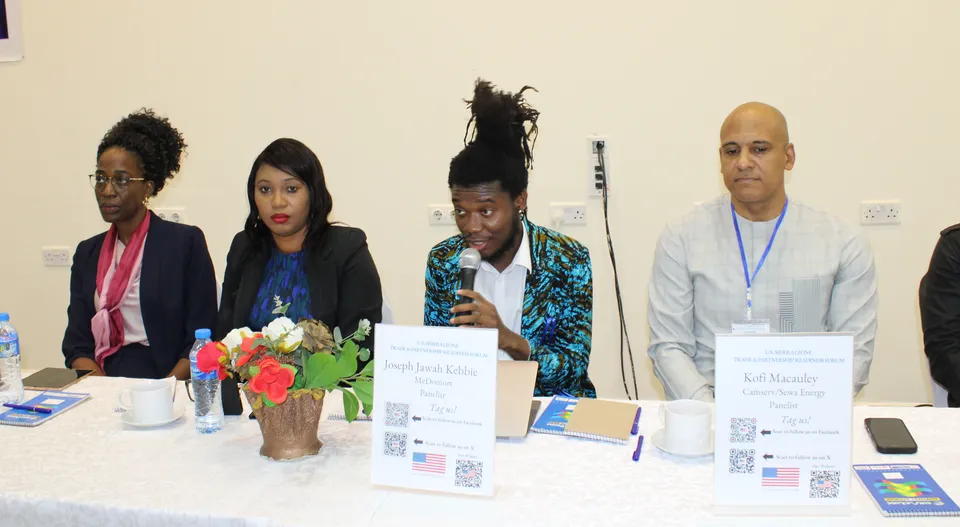
On September 24, Joseph contributed to the U.S.-Sierra Leone Trade & Partnership Readiness Forum panel, “Voices of Experience - Insights from USG Alumni and Local Entrepreneurs on Doing Business with U.S. Companies.”
The forum was organised by the U.S. Embassy Freetown with the Ministry of Trade and Industry, the Sierra Leone Chamber of Commerce, Industry and Agriculture, and the Sierra Leone Local Content Agency.
Joseph’s contribution drew on the everyday realities of building a technology company: choosing services, navigating challenges, learning through delivery and finding opportunities across borders.
That experience has a different value when shared with another entrepreneur. A difficult decision becomes something someone else can examine. A lesson learned during delivery can help another business ask a better question before it begins.
The Embassy placed particular emphasis on working with American businesses and technology, highlighting quality, reliability and relationships built to last. The forum gave entrepreneurs a place to explore those possibilities through practical advice and direct connections.
The value travels both ways
MeDomot sees room for relationships in which American technology and Sierra Leonean expertise strengthen each other.
A technology provider may offer a capable platform. Making it useful within a particular business calls for understanding its processes, connecting existing systems, preparing its team and supporting the service after deployment.
Local engineering contributes to each of those decisions. So does market knowledge: knowing how customers are served, what staff can realistically adopt, and which constraints need attention from the beginning.
Our ambition is to develop, adapt, integrate, deploy and support technology for Sierra Leonean businesses while exploring collaboration with U.S. technology providers. Those relationships are opportunities we are pursuing, with useful work and complementary capabilities at their centre.
What happens after the introductions
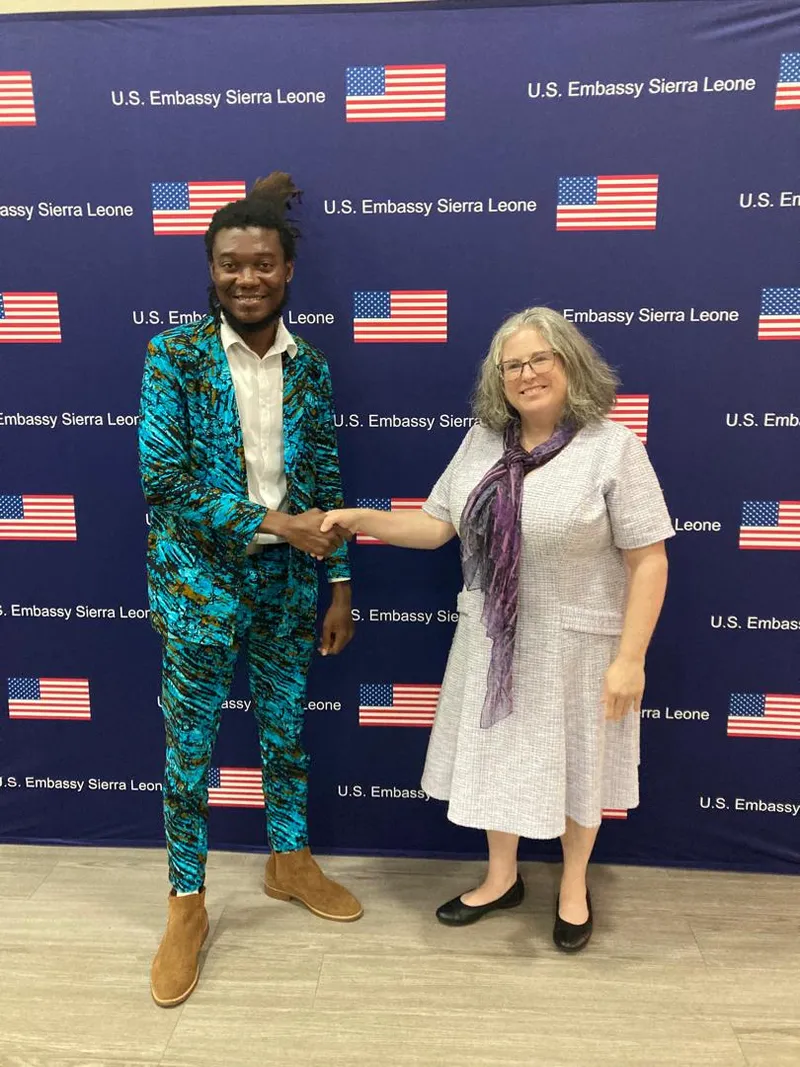
Joseph left the two gatherings with new business connections, client opportunities and encouraging feedback.
The next steps are more individual: continuing a conversation, understanding a business need, finding where capabilities fit, and determining whether there is work to build together.
For MeDomot, that is the promise worth following. Sierra Leonean companies have talent, knowledge and delivery experience to contribute. Stronger commercial relationships can give that expertise more room to travel.
If your business is exploring technology adoption in Sierra Leone, or your team sees an opportunity for collaboration with local engineering and continuing support, we would welcome a conversation about what we could bring to the table together.